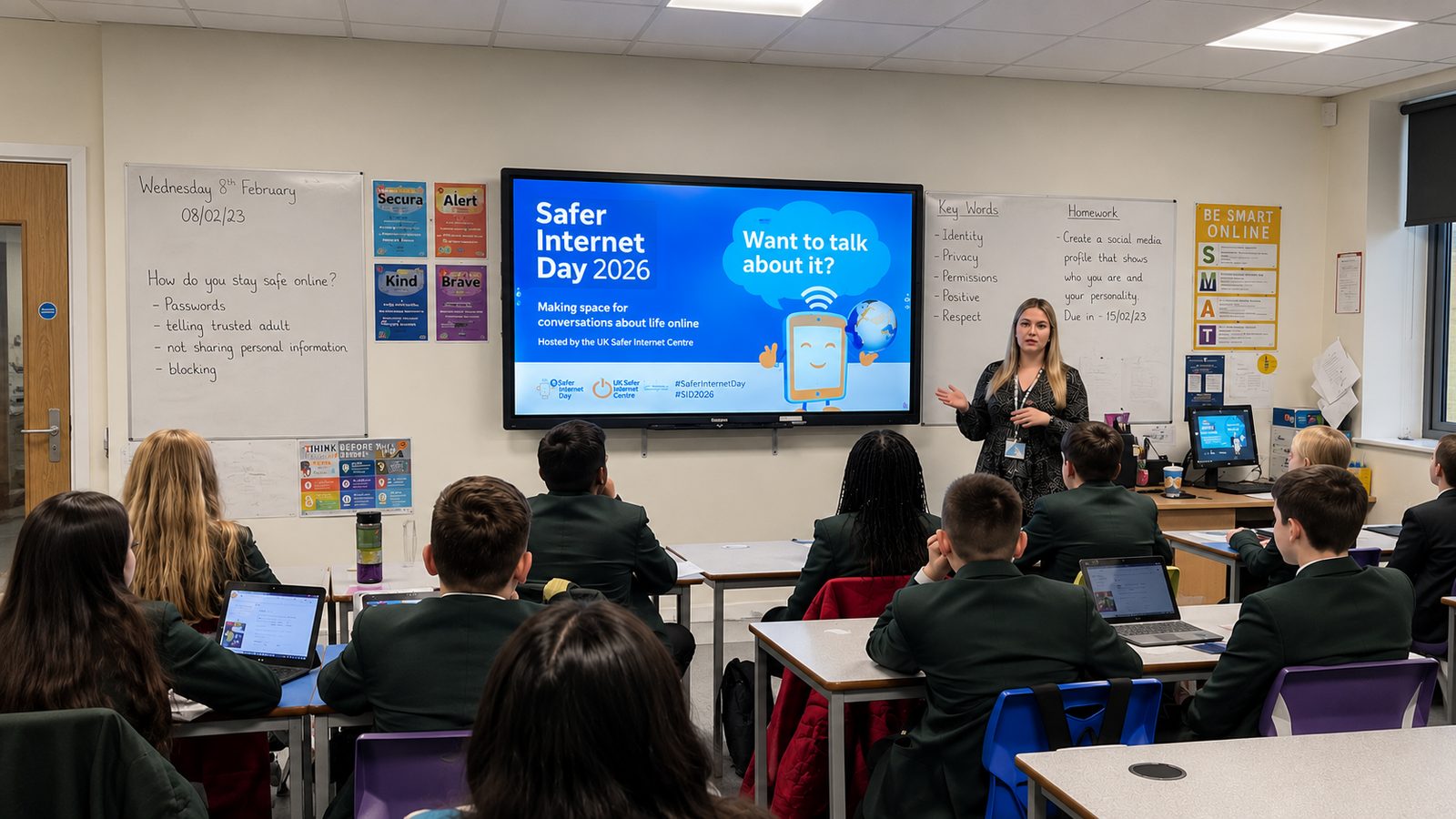
Digital Literacy

AI Awareness and Digital Literacy Become Curriculum Cornerstones

Back to Articles

A Curriculum Built for the World Students Are Entering

The proposed update to the computing curriculum reflects a recognition that the world pupils are entering is fundamentally different from the one their teachers trained in. Artificial intelligence, algorithmic decision-making, and generative tools are no longer emerging technologies — they are part of everyday life, and schools have a responsibility to prepare students to navigate them critically.

For school and trust leaders, this shift moves digital literacy from an optional add-on to a core curriculum priority. It is no longer enough for pupils to know how to use technology; they need to understand how it works, where its limitations lie, and how to question the information it produces.



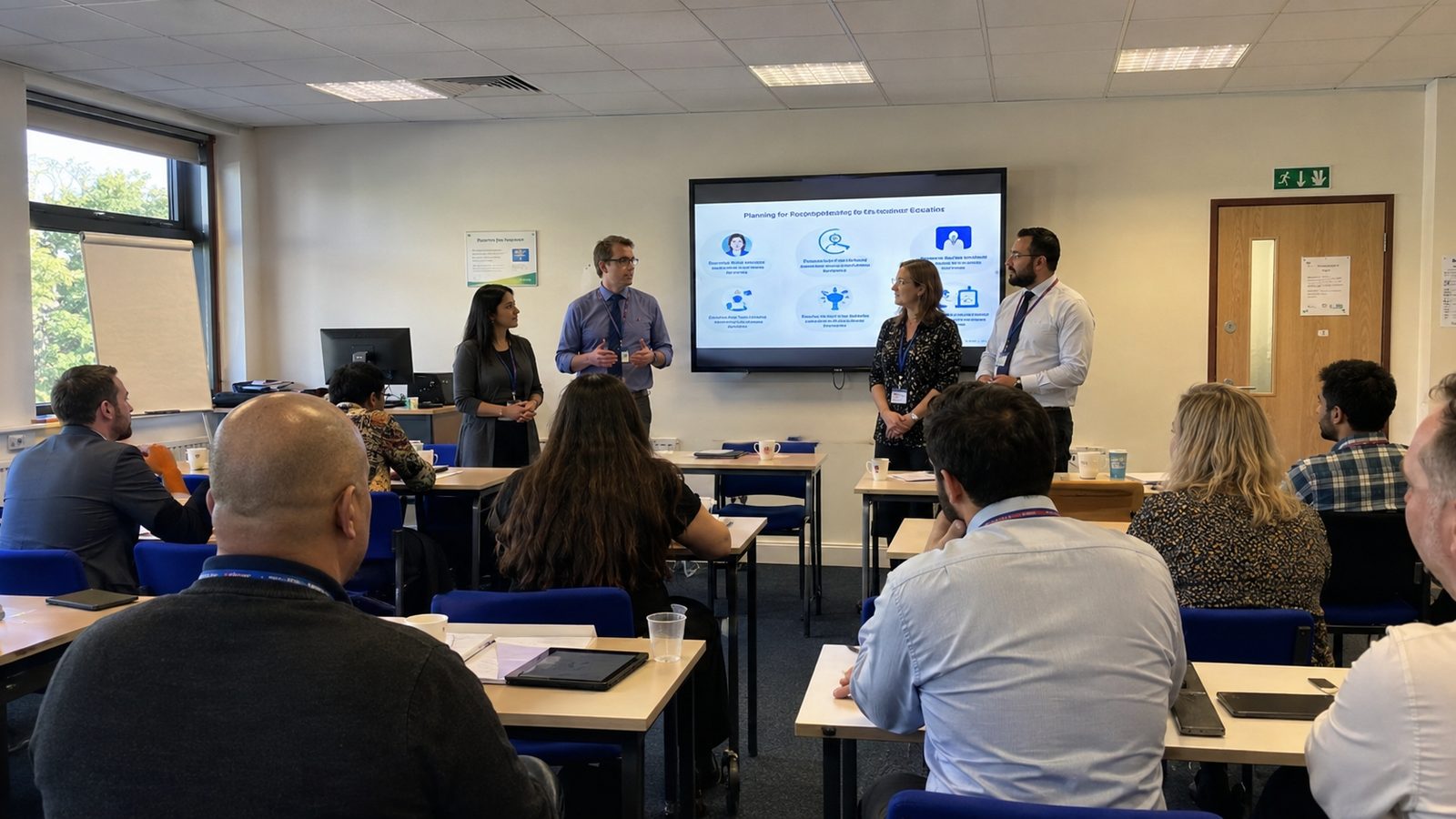
Beyond Algorithms: Teaching Critical Digital Thinking

Yet teaching AI awareness is not simply about explaining algorithms. It requires helping students:

  • Critically assess digital information.
  • Understand bias in automated systems
  • Recognise the ethical implications of generative tools
  • Question the reliability of machine-produced outputs

This is a higher-order skill set. And it demands a curriculum that goes beyond technical instruction into genuine digital citizenship.


Opportunity and Responsibility for Leaders

For leadership teams, this curriculum shift creates both opportunity and responsibility. Opportunity, because digital literacy strengthens student resilience and prepares them for emerging career pathways. Responsibility, because delivering such a curriculum requires:

  • Reliable devices and secure infrastructure
  • Appropriately trained staff
  • Considered policies around pupil use of AI

Schools that treat AI literacy as a strategic priority - rather than an isolated lesson topic - will build digital maturity across their organisation. That maturity extends beyond pupils. It influences staff capability, governance decisions, and how the school engages with emerging technology responsibly.


Aligned With the Future Workforce

In many ways, this curriculum change is a reminder: education technology strategy must be aligned not just with operational efficiency, but with the future workforce landscape. The schools preparing students for that future are the ones investing in both the tools and the teaching that digital literacy demands.

Related Articles

AI in Education

How AI Tutoring Trials Could Transform the Secondary Classroom

Read More27 December 2025
Policy & Governance

Why the UK's AI Education Summit Matters for School Leaders

Read More16 February 2026
Safeguarding

Safer Internet Day 2026: From Awareness to Operational Resilience

Read More14 March 2026

+44 333 888 0246

info@cnetso.co.uk

Cnetso Limited is registered in England and Wales, company number 05872141. Registered office: 20-22 Wenlock Road, London, N1 7GU.

© 2026 Cnetso Limited. All rights reserved.